The first comparative study of the world of salmon, examined from every angle. A book that enters the debate of recent years with authority, against the incongruous generalisations of sensationalist scoops that sway consumers, sowing distrust.
Buy Nowis a book that sets out to bring clarity to the heated debate surrounding the noble fish. The concerns that have long stirred public opinion around salmon as a food are tied to the fear of risks for human health and for the environment, due in large part to intensive farming — which indeed involves the use of antibiotics, pesticides and chemicals, the accumulation of contaminants such as dioxins and mercury, the proliferation of disease, the impact of microplastics and the saturation of the ecosystem with waste. With one further aggravating factor: the suffering inflicted on the poor, (very badly) farmed salmon.
All of it true, with one single problem: the risk of bundling every herb into one sheaf — an expression born of the practice of country farmers who, separating the useful herbs from the harmful, held it a most grievous error to bind them together undistinguished, if only because the beneficial herbs would end up mingled with the harmful and even deadly ones.
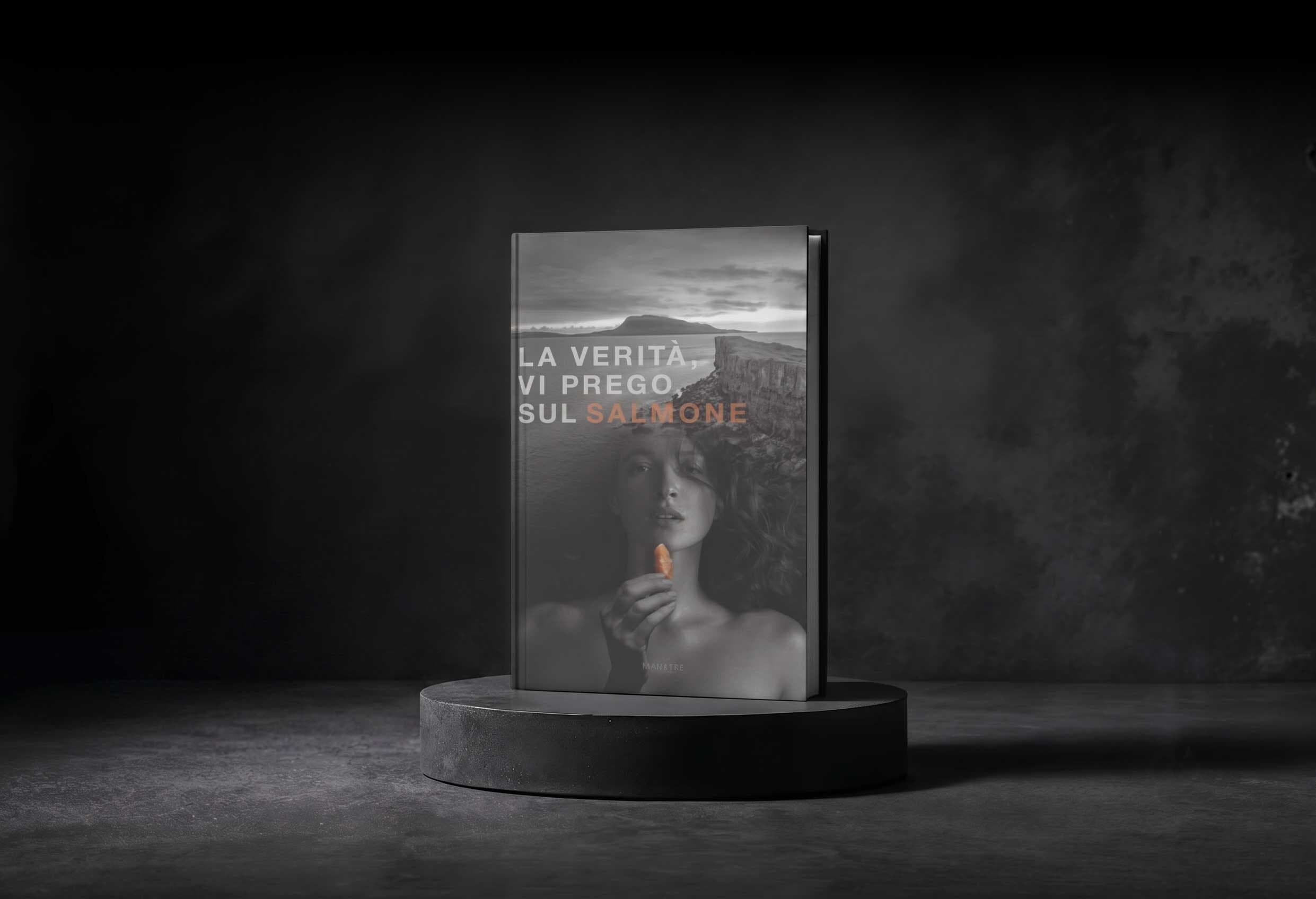
This is why the authors set out to publish a meticulously documented, authoritative book — without pedantry, and without neglecting formal beauty — intended to serve as a new point of balance in this contested question: after reading «La verità, vi prego, sul salmone» (The truth, please, about salmon), anyone will be able to recognise, and tell apart, a beneficial salmon (and a delicious one at that) from a harmful one (and a bad one at that). Identifying, moreover, one by one, the many causes capable of carving out the abyssal difference between them.
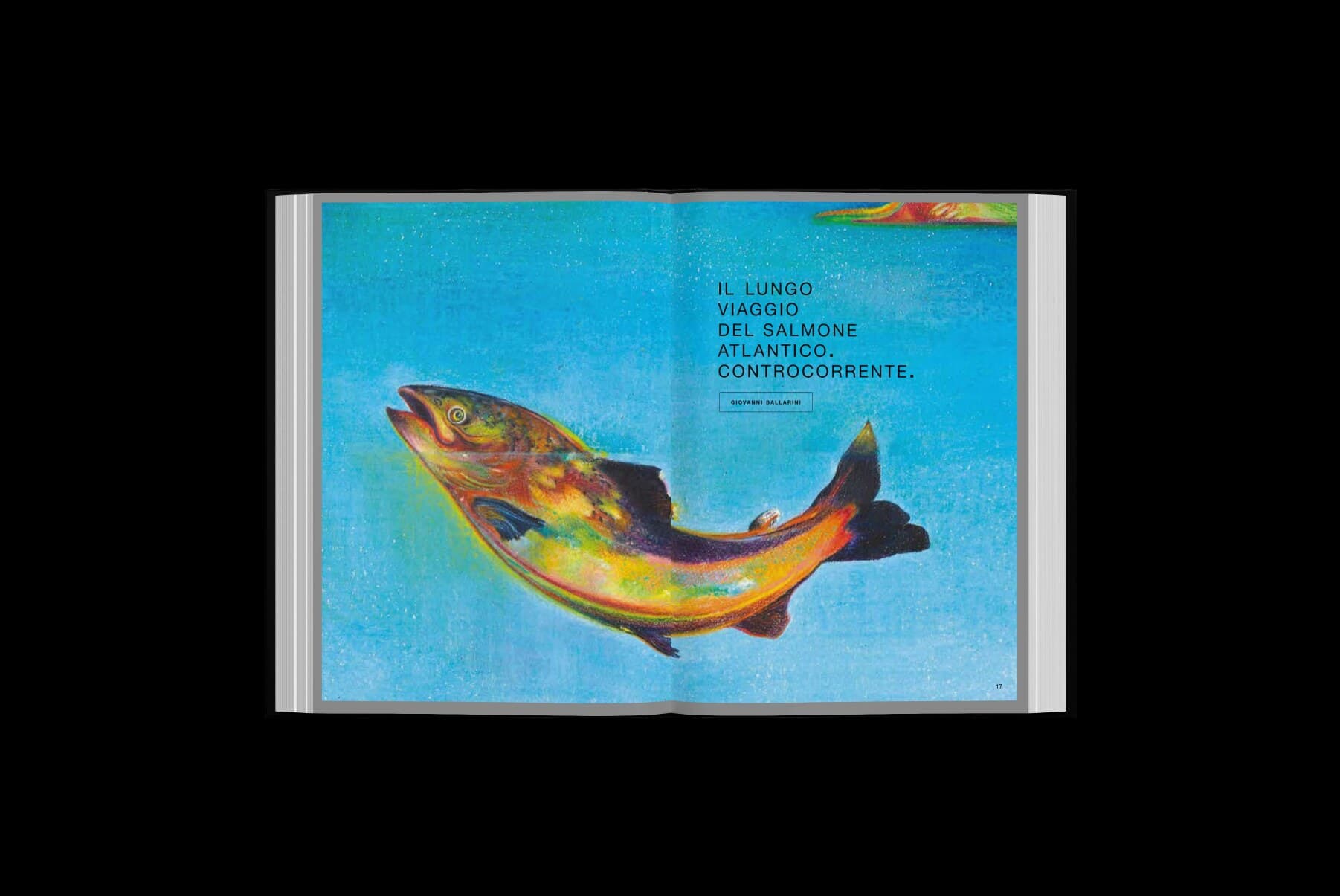
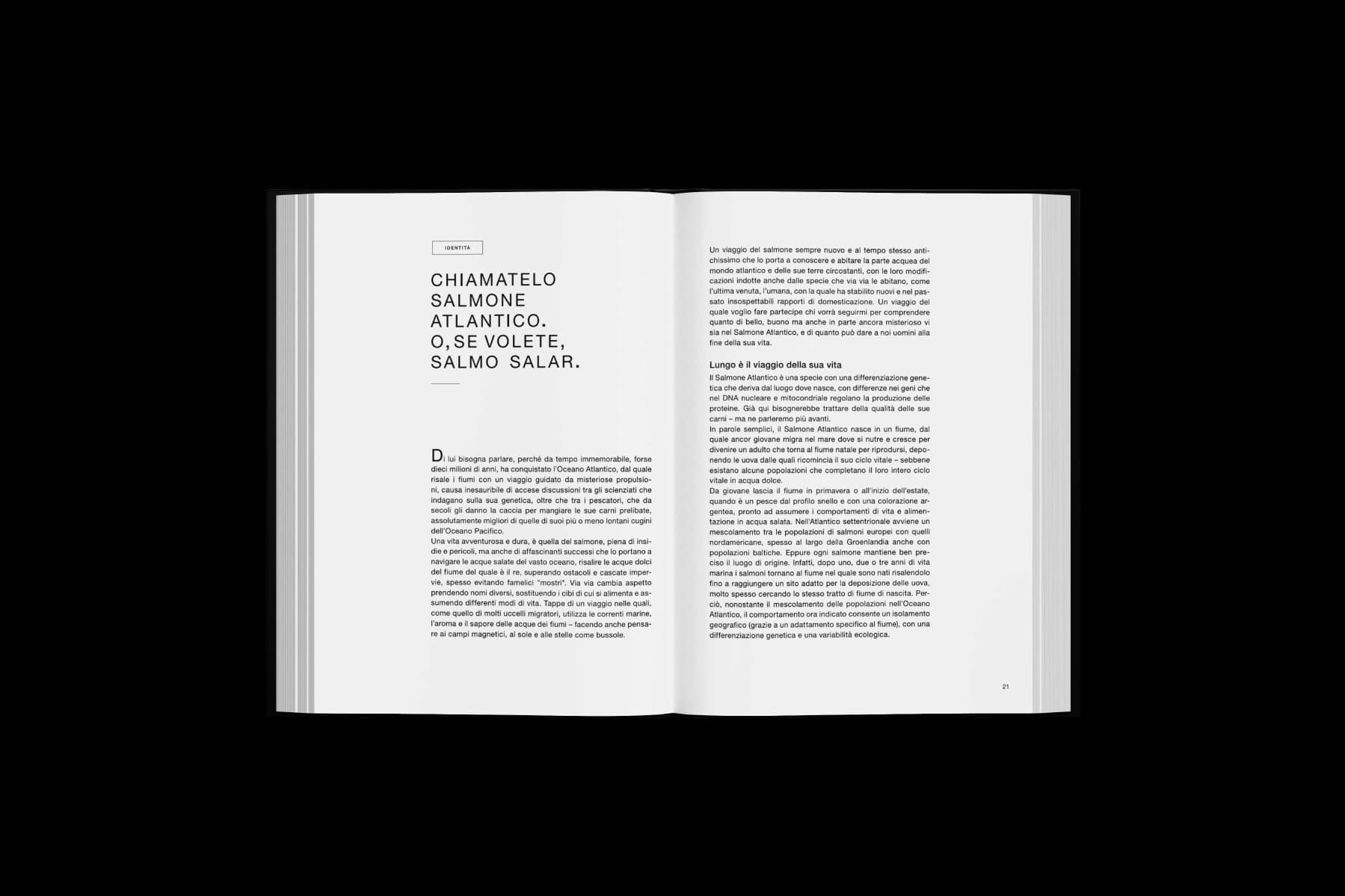
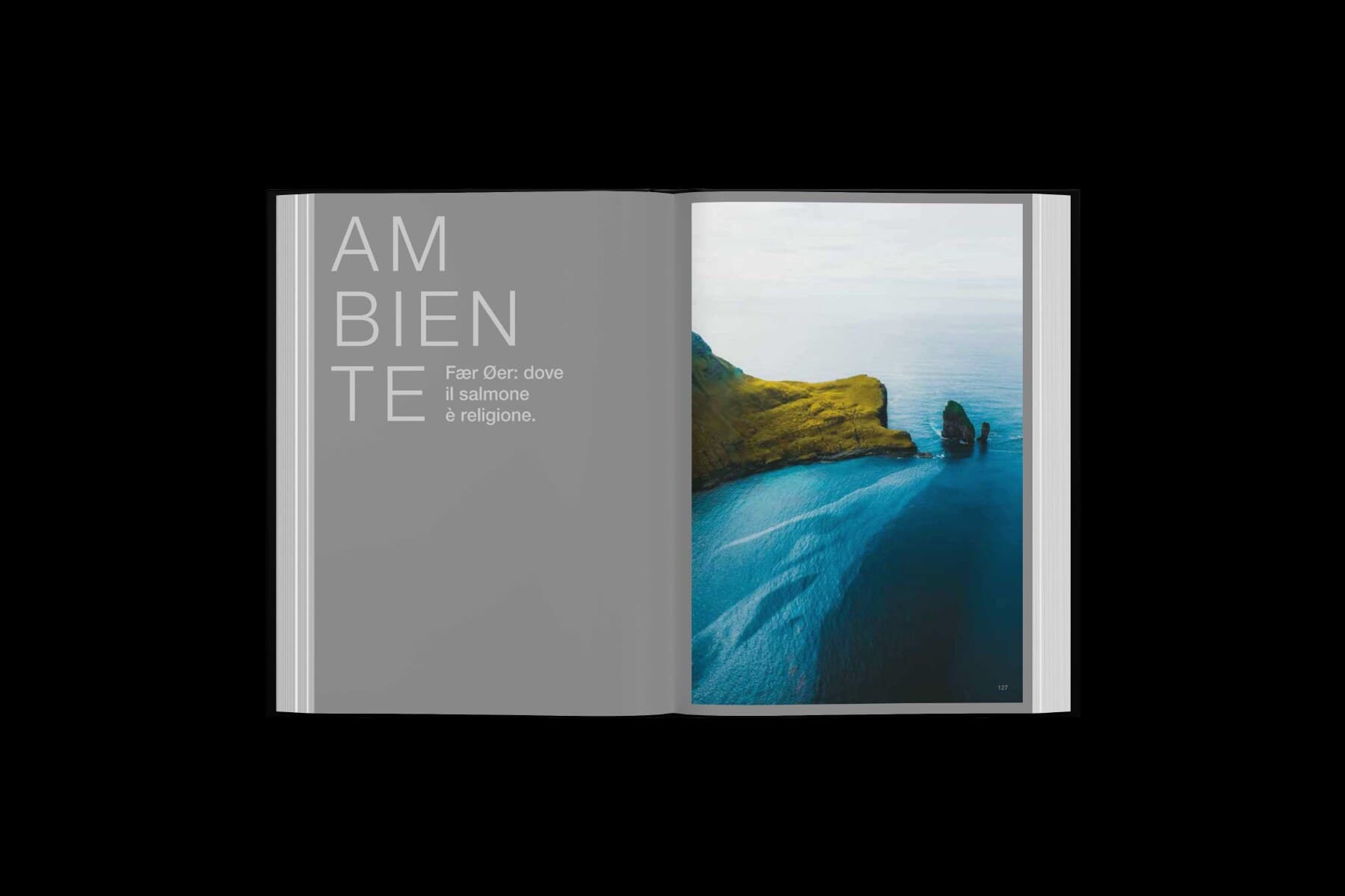
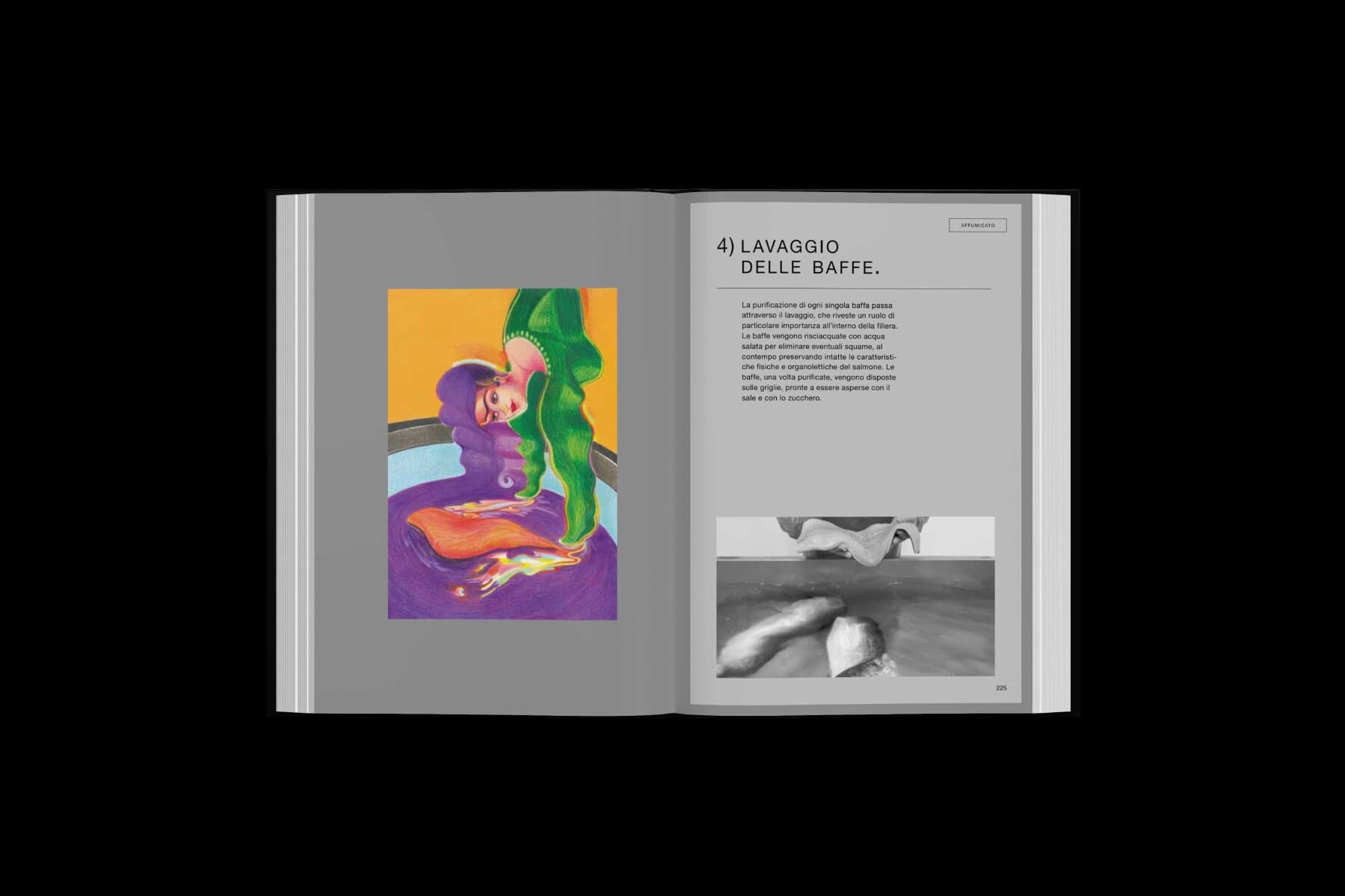
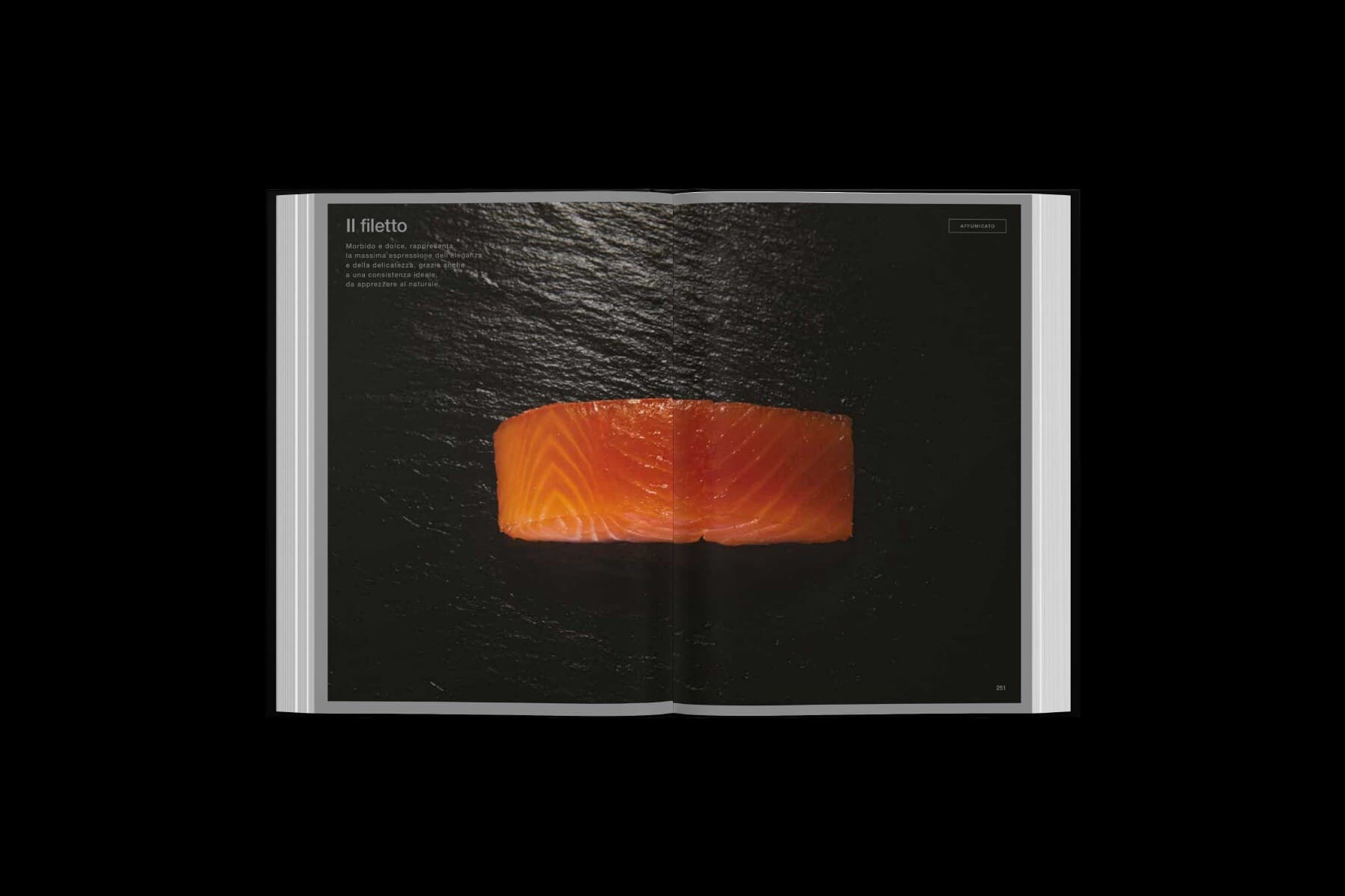
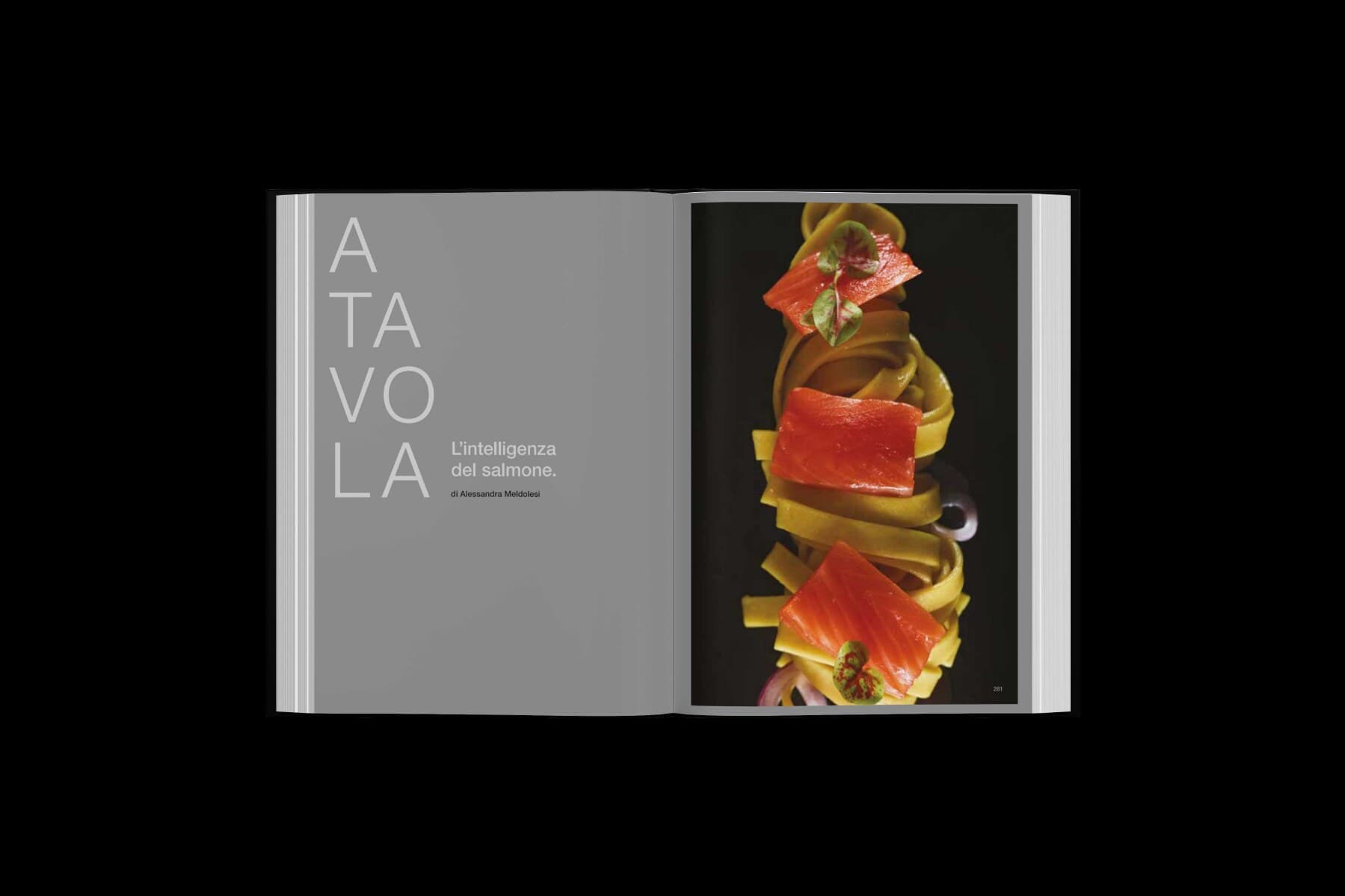
King of the river fish, it is a prodigious animal that is born in fresh water only to swim far away, towards the cold seas and deep oceans that will host it until the instinct to reproduce rises, pre-eminent, to the surface. It is at that moment that this extraordinary migrant begins its inexorable journey back, retracing the currents that will lead it once more to its place of origin. Surviving such an effort is a rare event; male or female, they will die there where they received — and in their turn gave back — life.
A phenomenal example of courage and determination, salmon has held since the dawn of time a place of absolute prominence in the boundless universe of gastronomy: one need only consider that the historical records tied to its preparation — think of smoking, or of marinating — sketch out, across the span of millennia, the story of a food belonging to cultures and traditions immensely distant from one another. A food of prodigious nutritional properties, its flesh rich in taste, lightly sweet and brackish, salmon has for some time now been ever more frequently mistreated. Given that the clear majority of salmon consumed in the world are farmed rather than caught, data and reports on the iniquities of the highly industrialised farms of this species — which weigh so heavily on ecosystems and on the health of the animals themselves, affecting the quality of the final product — effectively condition consumers’ choices, sowing distrust.
And so, victim of incongruous generalisations, abetted by those purely sensationalist “scoops” that never exhaust the subject, salmon appears ever more rarely on the menus of small and, even more, of great restaurants, and is even less often given its due — more likely confined to the hotel breakfast buffet, destined for palates more international than Italian, or reduced to a co-star, alongside rather insignificant foods, of corporate receptions. But intensive farms do not exhaust the whole sector, and not all producers work unethically: just as the salmon is a fish that with energy and stubbornness defies adverse currents for a higher purpose, so virtuous farmers in various countries weigh their entrepreneurial choices with discernment, validating in the light of commendable values the often nonconformist direction to take.